The best small closet ideas begin with the room's fixed conditions, not a basket of matching hangers. Measure the door swing, locate the studs, note the ceiling height, and count the clothes you actually own. A 5-by-7-foot closet cannot hold a department store, no matter how many acrylic bins you buy. It can, however, work extremely well when every wall has a job and the aisle remains usable.
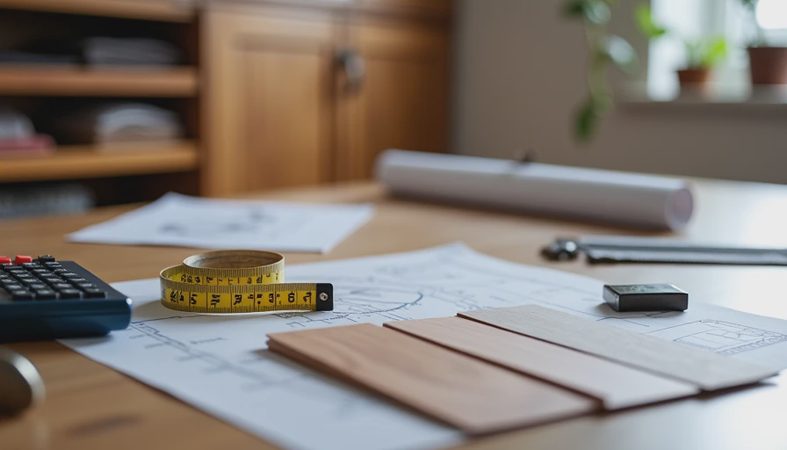
I start every closet review by drawing the room on graph paper. Mark the door, window, HVAC grille, light switch, and any plumbing chase. Then measure from finished wall to finished wall, not from baseboard edge to baseboard edge. That half-inch error can turn a comfortable hanging section into a rod you cannot reach.
Start with the door, aisle, and wall depth
The door is usually the first mistake. A door that swings into a narrow closet can steal the only usable corner. If the framing allows it, a pocket door or outswinging door gives back roughly 8 to 12 square feet of practical floor area. A sliding barn-style door can work, but its hardware needs clear wall space and does not seal sound or light as well as a standard door.
For a walk-in, keep at least 36 inches of clear aisle. Thirty inches is a squeeze once two people are dressing or a drawer is open. Standard hanging clothes need 24 inches of depth, including the rod and hanger. Shelves for folded clothing can be 12 to 14 inches deep; deeper shelves become a dark pile where jeans disappear. These dimensions matter more than a decorative cabinet finish.
One of the most useful small closet ideas is placing shallow shelves on the back of the door or beside the entry, rather than forcing every storage unit to be 24 inches deep. A 6-inch-deep organizer can hold belts, scarves, small handbags, and hair tools without narrowing the walkway.
Give each wall a specific job
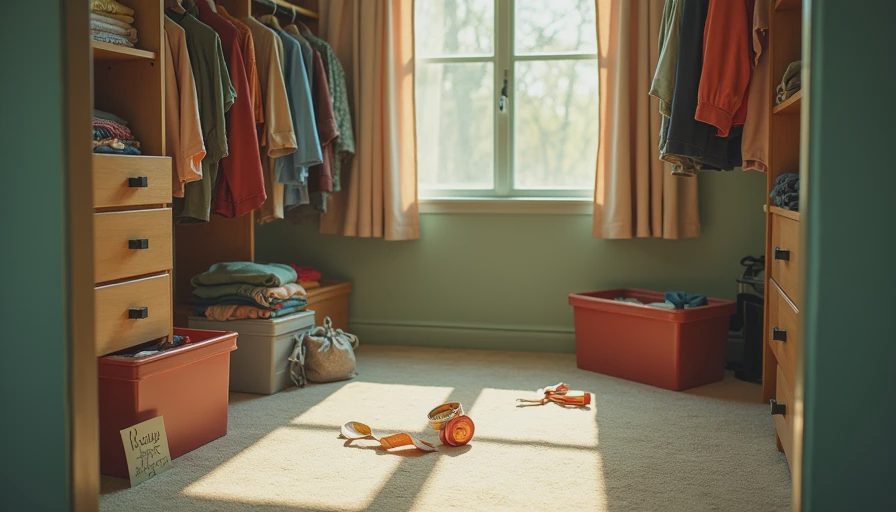
Do not install identical cabinetry on every wall. In a compact closet, one wall should handle long hanging, another short hanging and drawers, and a third should take shoes or folded items. Long coats and dresses need about 60 to 68 inches of vertical hanging space. Shirts and folded trousers can share a double-hang section with rods around 40 and 80 inches above the floor.
If your closet is 7 feet wide, a full-depth unit on both sides leaves only 36 inches between them. That is workable, but only if drawers do not open into one another. In a narrower room, use 12-inch shelves on one side and reserve the opposite wall for a single rod. This is one of the small closet ideas that looks less impressive in a drawing but performs better every morning.
A corner rod is another place where plans go wrong. A standard corner can create dead space unless one rod stops short or a specialized corner unit is used. I would rather lose 18 inches of hanging length than install a corner where sleeves collide and the back half becomes inaccessible.
Use vertical space before adding furniture
Most closets waste the top 18 inches. Add a shelf above the highest rod for luggage, seasonal shoes, and labeled bins. Keep that shelf at least 12 inches deep and leave enough clearance to lift a storage box down without hitting the rod below. A folding step stool can live on a hook inside the door; do not count on a dining chair being available when you are late for work.
Tall, narrow drawers are useful for underwear, workout clothing, and accessories, but they are not a substitute for a dresser. A drawer 24 inches wide and 8 inches high is easier to search than a 36-inch drawer packed with rolled shirts. Soft-close hardware is pleasant, yet I would spend first on full-extension slides. Seeing the back of the drawer is more valuable than a quiet closing action.
For small closet ideas on a tight budget, combine a basic modular system with wall-mounted shelves. IKEA PAX, Elfa components from The Container Store, and simple melamine shelving can all work when their dimensions match the room. Do not buy the system first and force the closet to fit it. Sketch the layout, identify filler strips, and confirm where every upright will attach to a stud.
Plan lighting and outlets before installation
A single builder-grade globe in the center of the ceiling creates shadows beneath shelves. Use a flush LED fixture with a color temperature around 3000K to 3500K, then add a second fixture if the room is longer than about 6 feet. Under-shelf LED strips are worthwhile on a dark shoe wall, but the transformer needs a planned location. A loose power brick sitting on a shelf is not a finished electrical plan.
Put the switch near the entry where the door will not cover it. If you are adding drawers, reserve an outlet for a charging station or cordless vacuum. In one project, the outlet was placed directly behind the shoe tower; relocating it after installation meant cutting into the back panel. That small oversight cost more than the outlet itself and left a visible patch in the drywall.
Good small closet ideas account for Oklahoma summers, too. Closed cabinets can trap heat around an HVAC register, while tightly packed clothing blocks airflow. Keep supply and return vents clear, and do not build a cabinet over an access panel. A closet still needs to function as part of the house, not just as a storage box.
Match storage to the wardrobe you own
Count categories before choosing accessories. If you wear suits or long dresses, protect long-hang space. If most of your wardrobe is jeans and knit tops, prioritize drawers and adjustable shelves. Shoes need roughly 8 to 10 inches of vertical clearance for flats and sneakers, with 12 to 14 inches for boots. A slanted shoe shelf displays pairs nicely, but a flat adjustable shelf usually stores more.
Use slim hangers only after you know the rod can support the load. Replacing bulky plastic hangers can recover several inches, but it will not solve a rod that is too short. Keep frequently worn clothes between waist and eye level. Put holiday outfits and spare bedding high up, where access is inconvenient but not impossible.
The most practical small closet ideas also include a temporary landing spot. A 10-inch shelf near the door can hold tomorrow's outfit, keys, or a handbag. Without that surface, clothing lands on the floor or on the bed. A narrow wall hook rail is enough if a cabinet or island would reduce the aisle below 36 inches.
What to skip when the room is tight
Skip the island unless the closet is at least about 10 feet wide after accounting for cabinetry. An island that leaves 30 inches around it is an obstacle, not storage. Skip oversized pull-out hampers if a removable basket can fit beneath a shelf. The hardware is expensive, and the capacity is often disappointing.
Be cautious with floor-to-ceiling mirrored doors. They can make a room feel larger, but they add weight, require careful alignment, and show every fingerprint. A well-placed full-length mirror on the back of the door is usually cheaper and easier to live with. Also skip fixed shelves where your wardrobe changes seasonally. Adjustable holes cost little during installation and save a complete rebuild later.
A practical installation sequence
Start by emptying the closet and marking the proposed cabinets on the floor with painter's tape. Walk the aisle, open imaginary drawers, and hold a jacket against the wall. If the layout feels tight with no contents inside, it will fail when loaded. Next, confirm studs, electrical locations, door casing, and baseboard interference. Repair walls and paint before cabinetry arrives.
Install the lighting and outlets first, then wall cleats or uprights, shelves, rods, and drawers. Leave accessory hooks and baskets until the main storage is loaded. You may discover that the section intended for handbags is better used for folded sweaters. A week of normal use tells you more than a showroom display.
The strongest small closet ideas are not the ones with the most parts. They are the ones that preserve a clear aisle, put daily clothing within reach, use the full height of the room, and respect the actual shape of the house. Spend money on structure, lighting, sturdy hardware, and adjustable storage before decorative bins. If you plan those basics before shopping, even a modest closet can stop fighting you at 6:15 in the morning.


No comments yet — be the first to share a thought.