Small closet lighting ideas matter more than pretty drawer fronts when the room is tight. If you cannot tell a charcoal sweater from a black one, or if the shoe wall disappears into shadow every morning, the closet is failing at its first job. I start with the fixture location, the spread of light, and the switch. In a 5-by-7 closet, a bad bulb can make clean shelves look cluttered and turn a simple outfit decision into a scavenger hunt.
Small closet lighting ideas that start with the ceiling
The fastest fix is usually a low-profile ceiling light centered in the room. In a small closet, that means a flush mount or a very shallow semi-flush fixture, not a big dome that throws glare at eye level. I like warm white or neutral white LEDs around 3000K to 3500K with a high color rendering rating, because clothes read truer under that light. A 90-plus CRI bulb is worth the extra few dollars when you are choosing between navy, black, and deep green before coffee.
If the closet is part of a remodel, this is where the wiring gets decided. A dedicated switched ceiling light is still the cleanest solution. If the ceiling is open, it is not expensive to run the wire now compared with patching drywall later. In an existing closet, an electrician may charge a few hundred dollars for the fixture, switch, and labor, and more if the wall has to be opened and repaired. That is still better money than installing a pretty organizer that you cannot actually use.
The best small closet lighting ideas are layered, not loud. You want enough brightness to see texture and color, but not so much that every dust bunny glows like a stage prop.
Put light where the clothes actually sit
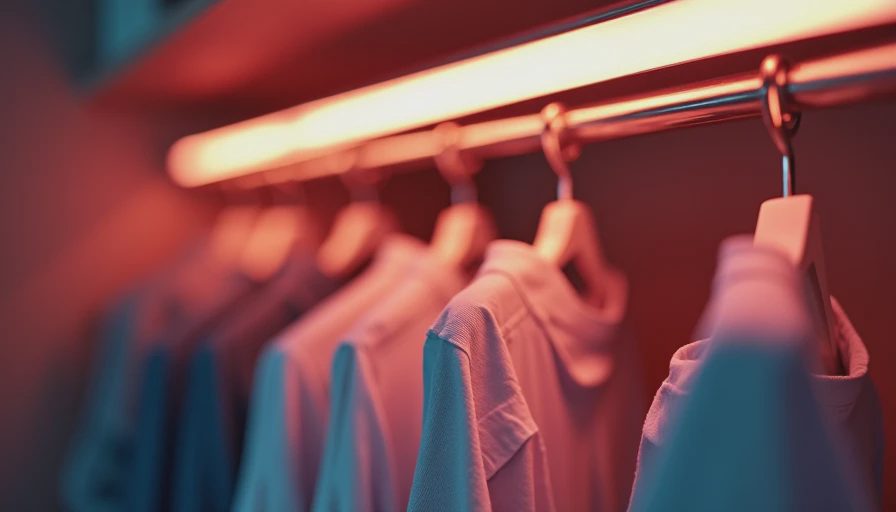
A ceiling fixture only gets you halfway there. Clothes hang on the wall, shoes sit on the floor, and shelves cast their own shadows. That is why I almost always add a second source where the wardrobe lives. Under-shelf LED strips work well above folded stacks, and a slim bar under the top shelf can remove the face shadow that a ceiling light creates. For shoe walls, a short strip of tape light or a puck under each bay is enough to show heel height and finish without turning the room into a showroom.
If you have drawers, a little light near the front edge helps more than you think. Open a deep drawer in a dark closet and everything collapses into one color. Light at the shelf lip or under the next shelf up solves that problem fast. Battery puck lights are fine for a rental or a quick refresh, but if you are already building out the room, hardwired strips look cleaner and last longer.
This is also where mirrors matter. A mirror on the back of the door or at the end of a run bounces light around and makes the space feel larger, but only if the source is even. One ceiling light and one strip usually beat three random fixtures fighting each other.
Controls matter more than people think
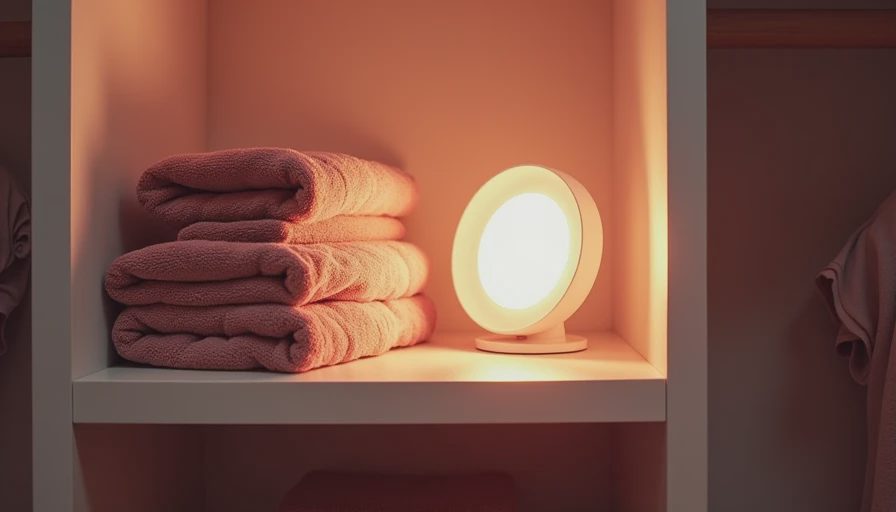
A small closet gets annoying fast if you have to fumble for the switch every time. Occupancy sensors are useful here because they turn on when you walk in and shut off when you leave. I like them for solo closets, utility closets, and any room where the door swing makes a traditional switch awkward. For shared primary closets, a wall switch with a dimmer is often better because one person can nudge the light down early in the morning without blasting the room.
If you want the room to feel calmer, dimmable LEDs give you that flexibility. Full brightness is useful when you are sorting laundry or packing for a trip. Lower light works when you are picking one shirt and trying not to wake anybody. I also prefer a switch location that makes sense from the hall, not buried behind a door or installed where you have to reach past hanging clothes. That little detail sounds minor until you are carrying a hamper and trying to get in.
Brands like Lutron and Leviton make reliable occupancy sensors and dimmers, and I have seen plenty of them hold up in real use. The point is not the brand name. The point is not making the closet harder to use than it needs to be.
Remodel upgrade or rental fix
If you own the place and can open the walls, hardwired lighting is the move. If you rent, or if the budget is tight, you can still make the room work. A decent battery puck kit can cost $20 to $80. Plug-in LED bars and strip-light kits usually land somewhere between $40 and $150, depending on length and finish. A hardwired ceiling fixture with an electrician often lands in the $250 to $700 range once labor and small repair work are included. That is a real spread, but it gives you a sane way to decide where the money goes.
I once redid a closet for a client who paid for custom shelving but skipped the electrical rough-in. The room looked polished until the first week of use, when the center shelf cast a shadow over the hanging section and the whole thing felt unfinished. We ended up adding a small hardwired light and two strips later, which cost more than doing it right the first time. That is the part people miss: lighting is not garnish. It is a working part of the room.
A real small-closet fix from Oklahoma City
One of the better examples I have handled was a compact primary closet in a 1940s house in Oklahoma City. The room had one bare bulb in the middle, a deep shelf over the hanging rod, and no light at all over the shoe tower. The owner thought the storage was the problem. It was not. The room looked messy because she could not see into it. We swapped in a shallow flush mount, added a strip under the top shelf, and aimed a second strip at the shoe section. The result was not dramatic in the magazine sense. It was better in the real-life sense: she could find what she owned, and she stopped buying duplicate black tops because everything read the same in the dark.
That is the difference between a closet that photographs well and one that works on a weekday morning. Good light makes the room smaller only on paper. In use, it makes the closet feel bigger because the surfaces stop hiding from you.
The mistakes I see all the time
The most common mistake is choosing a bulb that is too cool. A blue-white 5000K light can make skin look flat and navy clothes look black. The next mistake is putting one light in the center and assuming that solves the room. It rarely does. The third is hanging a fixture so low that a door clips it or a coat sleeve grazes it every time you reach up. That is not a design detail. That is a bad install.
I also see people light the aisle but forget the shelves. Then the room feels bright when empty and useless when full. If you are adding doors, rods, or tall storage, check the light after the layout is finalized, not before. That is the clean way to do it. If you're comparing small closet lighting ideas for a remodel, pay for the circuit and fixture layout before you spend on fancy drawer fronts. Good light is the cheapest upgrade that makes the whole closet look intentional.

No comments yet — be the first to share a thought.