Most people think a closet fails because the shelves are wrong or the shoe wall is too small. Sometimes that is true. More often, the real problem is light. Good closet lighting ideas start with the room’s bones: where the ceiling box goes, how the door swings, and whether you can see color differences in your clothes before you walk out the door. A closet can be beautifully built and still feel cheap if the only light source is a single bulb over the aisle.
I plan closets in Oklahoma City, where a lot of homeowners are remodeling one small room and expecting it to work like a dressing room, a laundry staging zone, and a storage unit. The fix is not glamorous, but it is simple: layer the light, aim it at the stuff you actually use, and stop relying on shadows to tell you what shirt is navy and what shirt is black.
Closet lighting ideas that start at the ceiling
The ceiling light is the first decision, because it sets the baseline. In a standard walk-in, I like a low-profile flush mount or a shallow recessed layout that does not hang into the aisle. The aisle needs 36 inches minimum, and if you are building a center island or a hamper pullout, you need more. That matters because a pendant that looks nice in a photo can become a forehead hazard at 6:15 a.m.
For color temperature, 2700K to 3000K is the sweet spot for most bedrooms and dressing areas. It keeps whites from looking icy and skin from looking green. I also want a high color rendering index, ideally 90-plus, so your clothing reads honestly. Cheap LEDs can flatten everything into one gray-beige blur, and then you wonder why your outfit looked wrong the second you stepped outside.
If the closet has no window, do not assume one fixture will handle it all. Two smaller ceiling lights placed to wash the whole room are usually better than one hot spot in the middle. This is where closet lighting ideas separate from generic “put a light in the room” advice. The goal is even coverage, not drama.
Use shelf and rod lighting where your hands actually go
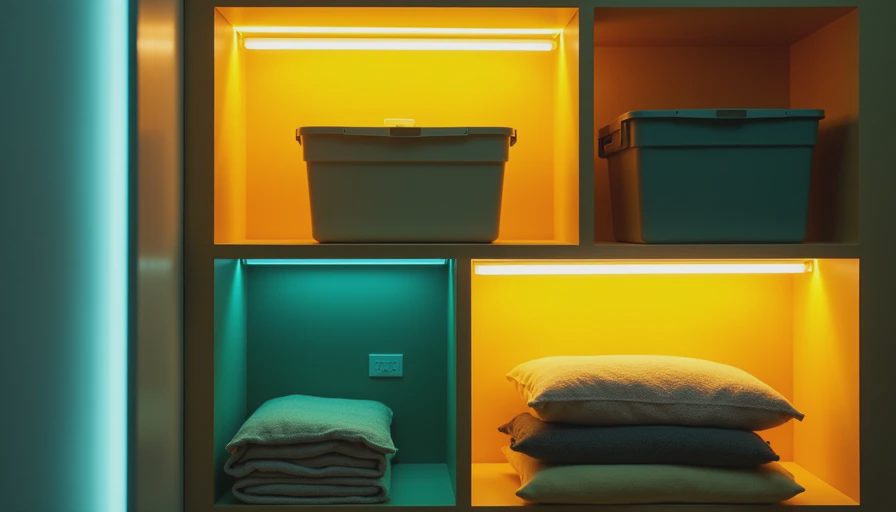
Once the general light is set, add task lighting where the wardrobe lives. LED tape inside aluminum channels under shelves is one of the cleanest moves I install. It lights folded stacks, handbags, and drawers without throwing glare into your eyes. Under-rod lighting works the same way for hanging sections, especially if the closet has deep double hang or a long run of shirts.
This is also where a lot of bad plans show up. People spend money on a pretty island and then leave the hanging section dim. The island does not help if you cannot tell whether the sweater is black, charcoal, or navy. Put light where you read labels, sort laundry, and pull pieces forward. If you have glass-front cabinets, add light there too, or they become decorative dark boxes.
The best closet lighting ideas do not try to make every surface bright. They target the zones that get used. That means the top shelf where you store bins, the drawer stack where jewelry or belts live, and the lower run where shoes disappear into shadow. A little light in those places changes the whole room.
Closet lighting ideas for mirrors and outfit checks
Mirror light is not optional if you want to leave the house looking finished. Side lighting is better than one light directly overhead, because overhead light throws hard shadows under the eyes and across the front of a jacket. If you have room, place vertical sconces or slim integrated lights beside a full-length mirror. If the mirror is on a wardrobe door, add nearby wall light so you are not checking your outfit in a cave.
I have seen clients spend real money on custom cabinetry and then spec a tiny mirror light that made every outfit look flat. That is backwards. You need enough light to judge drape, sheen, and fit. If your closet doubles as a getting-ready space, put the mirror where it gets light from both sides and from the room, not just from one lonely fixture overhead.
For a vanity-style corner, I like dimmable lighting so the same space works in the morning and at night. Bright enough to see makeup lines, soft enough that you are not squinting at yourself under stadium lights. That flexibility is why closet lighting ideas should be planned with the whole routine in mind, not just the cabinetry layout.
Switches, sensors, and circuit planning before drywall
The smartest lighting is the kind you do not have to think about when your hands are full. Put the switch at the entry, and if the closet is large enough, consider a motion sensor or occupancy sensor tied to the main light. That keeps the room from going dark when you are carrying laundry baskets, hangers, or a stack of boxes. It also stops the classic problem of leaving the light on all day because the switch is behind the door or buried inside the closet.
Do the electrical plan before drywall, not after the shelves are already ordered. If you want strip lighting in a niche, an outlet for a charging drawer, or power for a mirror fixture, the wiring has to be thought through early. I have seen more than one beautiful closet get compromised because the outlet ended up behind a shoe wall or the switch landed where the door blocked it.
Budget-wise, expect the lighting part of a closet project to add a few hundred dollars at the low end and more if you are running new circuits or adding specialty fixtures. That is still cheaper than ripping open finished walls later. Good closet lighting ideas save money by preventing do-overs.
Common mistakes that make a closet feel dim
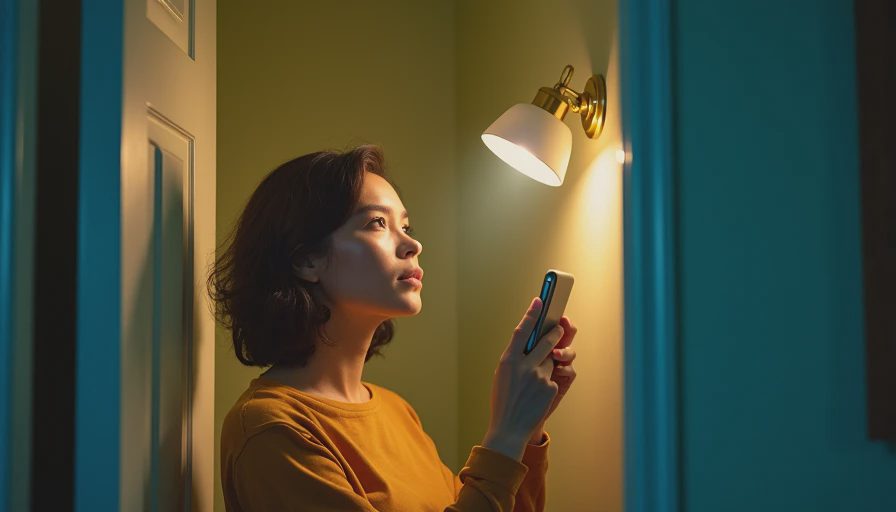
The most common mistake is using one light source and calling it done. The second is choosing decorative fixtures that cast light in the wrong direction. Another is buying LEDs without checking the color temperature, so the closet looks cold in the morning and dull at night. I also see people skip lighting inside drawers and on upper shelves, then wonder why the room still feels hard to use.
Dark finishes can make the problem worse. Espresso shelving, black melamine, and dark wallpaper all absorb light, which means the room needs more output than a white-painted closet would. If you are using a darker system, increase the number of light points and avoid tiny lamps that create pools instead of coverage. In a small room, shadows are the enemy. In a larger dressing room, shadows are just wasted square footage.
The fix is usually straightforward: one even ceiling source, task light at the storage zones, mirror light where you dress, and controls that are easy to reach. That mix is what separates pretty from practical. If you are reworking a closet now, start with the light plan before you lock in shelving, because closet lighting ideas only work when they are designed with the layout, the circulation, and the wardrobe together.



No comments yet — be the first to share a thought.