The average cost of custom closet work usually lands between $2,000 and $8,000 for a professionally designed and installed system, but that range gets wide quickly. A small reach-in closet with laminate shelves is not financially comparable to a 12-by-14 dressing room with an island, lighting, drawers, and new electrical work. The average cost of custom closet projects depends less on the word custom than on the amount of material, wall space, labor, and construction your room requires.
I have seen Oklahoma City homeowners spend $2,500 on a very effective reach-in and more than $15,000 on a large dressing room. Neither number is automatically unreasonable. The question is whether the layout solves your storage problems without sacrificing aisle width, access to doors, or the parts of the room you actually use every morning.
What the average cost of custom closet includes
For a basic reach-in closet, expect roughly $1,500 to $4,000 for a professionally installed system. That might include a wall-mounted or floor-based laminate unit, hanging rods, adjustable shelves, a few drawers, design time, and installation. A standard walk-in closet often begins around $3,500 and can reach $10,000 before major electrical or drywall work. Larger rooms with furniture-grade finishes and extensive built-ins can exceed $20,000.
Those figures typically cover the storage system, not every trade involved in changing the room. Removing existing shelving may add $100 to $500. Patching drywall, repainting, replacing baseboards, or moving a door can add several hundred dollars more. New recessed lights, an outlet for an island, or a dedicated circuit should be priced by a licensed electrician. If your proposal combines all of those items under one vague line called installation, ask for an itemized scope.
A useful budget split is approximately 50 to 65 percent for cabinetry and hardware, 20 to 30 percent for design and installation, and the remainder for room preparation or electrical work. Companies structure estimates differently, so compare what is included rather than comparing one total number.
The room dimensions that change your price
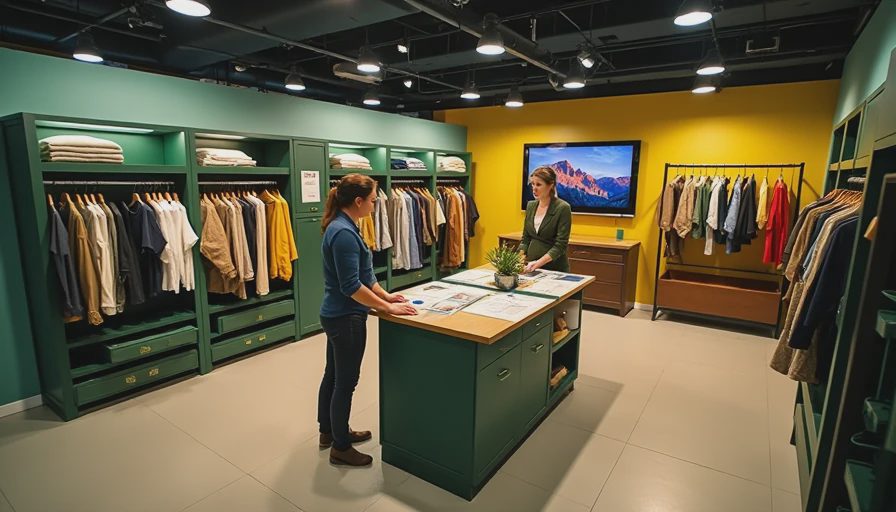
A closet layout can look inexpensive on paper and still fail in the room. Standard hanging sections are usually about 14 to 16 inches deep. Shelves deeper than that often swallow folded clothing, while shallower sections can leave coats and suit jackets hanging past the edge. Allow at least 36 inches for a usable aisle. If two people need to pass each other or if an island has drawers, 42 to 48 inches is more comfortable.
The average cost of custom closet installation rises with every additional wall you outfit, but room shape matters just as much. A simple rectangular walk-in is efficient to build. Angled walls, low rooflines, windows, HVAC registers, and doors that swing into storage create more design time and more filler panels. A 5-by-7-foot reach-in cannot support the same drawer count as a 10-by-12-foot walk-in, no matter how attractive the rendering looks.
Before requesting estimates, measure the clear wall length, ceiling height, door opening, and location of outlets, vents, switches, and windows. Mark the door swing on the floor with painter's tape. This exposes bad plans before you pay for them. One client nearly lost the only comfortable walkway because an island was drawn to fit the room but not the open door.
Materials and finishes: where the dollars go
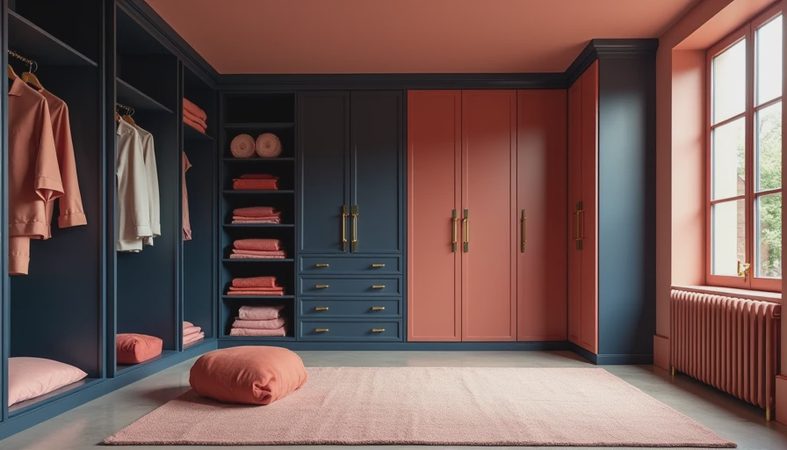
Most custom closet systems use melamine or laminate panels because they are stable, easy to clean, and available in practical colors and wood patterns. A laminate system often keeps the average cost of custom closet work near the lower end of the range. Upgrading to thicker panels, decorative edges, premium drawer boxes, glass doors, or painted cabinetry increases both material and labor costs.
A drawer is not just a square on a plan. It requires a box, slides, a front, hardware, and installation time. Budget approximately $250 to $600 per installed drawer for many midrange systems, with higher prices for dovetail construction or specialty hardware. Pull-out hampers commonly cost $200 to $500. Shoe shelves are relatively inexpensive when fixed, but angled shelves, pull-outs, and custom cubbies take more labor.
California Closets, The Container Store's Elfa, ClosetMaid, and local independent cabinet shops occupy different points on the quality and customization spectrum. Elfa can be a smart choice for a utility-focused layout, while a local shop may offer more control over dimensions and finish. Do not pay for a luxury finish on storage that still has the wrong rod height or insufficient shelf depth.
Drawers, islands, and accessories worth pricing carefully
The average cost of custom closet design changes most noticeably when homeowners add an island. A built-in island can cost $2,000 to $6,000 or more depending on size, drawers, countertop material, and electrical requirements. It should not be the first upgrade. Measure the aisle around it after drawers are open, not just when every cabinet is closed. A beautiful island that reduces the working aisle below 36 inches is an expensive obstacle.
Prioritize features that solve a daily problem. Double-hang sections make efficient use of a 7- to 8-foot wall. Long-hang space needs enough vertical clearance for dresses, robes, or coats. Full-extension drawers are useful for folded clothing and accessories because you can see the back of the drawer. Pull-down rods can help with high storage, but they are not a substitute for accessible everyday hanging space.
Lighting deserves attention before installation. A single ceiling fixture often leaves your body blocking light on the clothes you are trying to select. Recessed fixtures, a central flush mount, or low-profile LED lighting can improve visibility. If you want an outlet inside an island or a charging drawer, locate it before the panels go in. Retrofits are possible, but they are rarely cheap or invisible.
How to compare estimates without getting fooled
Ask each designer to show the same information: panel material and thickness, total hanging length, number of shelves and drawers, hardware brand, installation labor, demolition, touch-up work, tax, and warranty. One estimate may include delivery while another adds it later. One may include three drawers while another prices every drawer separately.
The average cost of custom closet projects is easier to judge when you request a scaled plan, not just a color rendering. Confirm that rods are reachable, doors clear the storage, and shelves do not cover a vent. Ask where the system attaches to studs and whether the installer uses a cleat, floor track, or another support method. In an older home, uneven floors and walls can require scribing or additional trim.
I also recommend requesting a good, better, and best version. The good option might use fixed shelves and fewer drawers. The better option adds full-extension drawers and improved lighting. The best option may include an island, glass doors, and painted cabinetry. Seeing the price difference feature by feature makes it easier to spend on function instead of accepting a single inflated package.
A realistic budget for your project
For a modest 6-foot reach-in, plan on $2,000 to $4,000. For a medium walk-in with storage on two or three walls, $4,000 to $9,000 is a practical starting point. For a larger dressing room with an island, extensive drawers, upgraded finishes, and electrical work, prepare for $10,000 to $20,000 or more. Construction changes such as moving a door, repairing drywall, or adding lighting sit on top of those figures.
The average cost of custom closet work is money well spent when the layout reflects your actual wardrobe. Count your shoes, measure your longest garments, and note whether you fold sweaters or hang them. A homeowner with mostly short-hang clothing needs a different plan from someone with uniforms, formalwear, or bulky winter coats.
Do not start with baskets, velvet hangers, or decorative labels. Start with studs, door swing, circuits, aisle width, and the storage categories you reach for at 6:15 AM. Then price the drawers, finish, and accessories that support that layout. That process gives you a much more reliable average cost of custom closet project and a room that works after the installation crew leaves.


No comments yet — be the first to share a thought.