A custom closet cost calculator is useful only when it accounts for the room's dimensions, wall conditions, materials, accessories, and labor. A pretty online estimate that ignores a sloped ceiling or a relocated outlet is not a budget; it is a surprise with better marketing. Before you price velvet hangers or a shoe carousel, measure the room and decide what your wardrobe actually needs.
I have designed closets in older Oklahoma City homes where the walls were not square, the baseboards varied from room to room, and the original builder put a light switch behind the door swing. Those details affect cost more than a photograph of a walnut drawer bank. Use the calculator to establish a range, then verify the design against the physical room.
Start with the room, not the accessories
Measure the closet's finished width, length, and ceiling height. Record every door, window, vent, outlet, switch, baseboard, and obstruction. A wall that appears to be 8 feet long may lose 4 inches to casing and trim. That difference can determine whether a drawer stack fits or whether the installation needs a filler panel.
A workable hanging section generally needs about 24 inches of depth. A walking aisle needs at least 36 inches, and 42 to 48 inches is more comfortable when two people use the room or when drawers open into the passage. If you place storage on opposite walls, add both cabinet depths before assuming the room can support an island. In a 7-by-10-foot closet, an island often consumes the circulation you were trying to improve.
The custom closet cost calculator should begin with usable wall length rather than the room's total square footage. A 10-foot wall with a door in the center does not provide 10 continuous feet of storage. Draw the door swing on graph paper. If it collides with a drawer or shoe cabinet, the design is wrong before anyone discusses finish colors.

What you are really paying for
Most custom closet budgets have four main parts: the storage components, installation, site preparation, and optional electrical or finish work. Basic melamine systems often fall near $1,500 to $4,000 for a modest reach-in or small walk-in. A larger walk-in with several drawer stacks, upgraded hardware, and more complex installation can run from $5,000 to $12,000. Premium wood veneers, painted cabinetry, glass doors, and extensive trim can move well beyond that range.
Those numbers are planning ranges, not promises. A local installer may price by linear foot, by cabinet component, or by the complete project. Ask whether the quote includes delivery, demolition, wall repair, fillers, crown molding, and haul-away. The custom closet cost calculator should have a separate line for these items, because a $900 installation allowance can disappear quickly when old wire shelving must be removed and drywall patched.
Material selection changes the bill, but it also changes maintenance. Thermally fused laminate is practical, consistent, and easy to wipe clean. Painted MDF offers a furniture-like appearance but can show edge damage if shoes or baskets hit it repeatedly. Veneer brings natural grain and usually a higher price. For most bedrooms, I put the money into strong drawer slides and a sensible layout before upgrading every vertical panel.
Spend first on storage that earns its space
Drawers are expensive compared with fixed shelves, so use them for items that benefit from contained storage: underwear, workout clothes, watches, and small accessories. A drawer bank with six shallow drawers can cost substantially more than a pair of adjustable shelves, but it also prevents piles from collapsing every morning. Do not install drawers merely because a showroom drawing has them.
Double hanging is one of the best values in a standard wardrobe. Put a rod around 40 inches above the floor and another near 80 inches, adjusting for your garments. Long dresses, coats, and jumpsuits need a dedicated section, usually 60 to 68 inches of vertical clearance. If you force those pieces into a short bay, the hems will drag on the floor or over the shelf below.
The custom closet cost calculator should let you compare a shelf, hanging bay, and drawer stack side by side. That comparison exposes where the budget is going. A $500 accessory tower might hold fewer useful items than a $180 adjustable shelf section. Shoe shelves should also be sized to your actual footwear. Running shoes need less width than tall boots, and a slanted display shelf is wasted money if you store shoes in boxes.
Account for the hidden work
The storage system is not the entire project. In older houses, installers may find uneven floors, plaster walls, shallow studs, or wiring in an unexpected location. A wall-mounted system needs reliable fastening, and a tall cabinet needs to be secured against tipping. Never assume a cleat can be screwed anywhere along the wall without locating studs or using an appropriate anchoring method.
Lighting deserves a line in the budget. One central fixture often leaves your clothes in shadow, especially beneath upper shelves. Recessed lights, a surface-mounted fixture, or low-profile LED strips can make the room easier to use. If you want new circuits or relocated switches, plan that work before cabinetry arrives. I once reviewed a shoe-wall installation where the only outlet ended up behind a fixed cabinet. The electrician had to return, the panel was removed, and the finished wall needed repair.
The custom closet cost calculator can include electrical work, but it cannot inspect the wall. Set aside roughly $300 to $1,500 for straightforward lighting or outlet changes, with larger amounts possible when access is difficult. A licensed electrician should handle new wiring and circuit work. Budget for paint and wall repair too; installation is not a magic eraser for old holes.
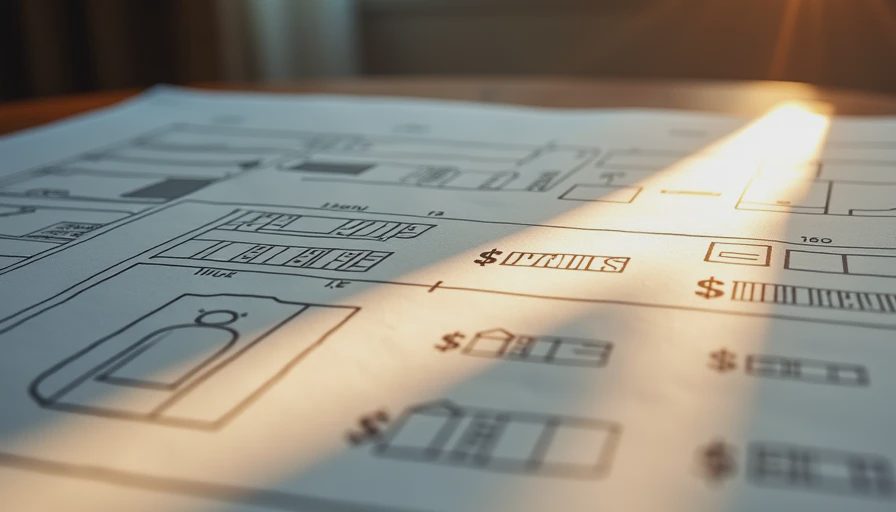
A practical sample budget
Consider a 10-by-12-foot walk-in with storage on three walls, one long-dress section, two drawer stacks, double hanging, adjustable shelves, and simple LED lighting. A basic laminate package might land around $4,500 to $6,500 installed. Add upgraded drawers and trim, and the range could become $7,000 to $9,500. Add an island, specialty shoe storage, painted cabinetry, and electrical changes, and the total can pass $12,000.
That is why the custom closet cost calculator should show components separately. If the total is too high, remove the island before removing the drawers you use every day. Replace a decorative valet rod with a sturdy hook. Use adjustable shelves instead of fixed cubbies. Keep one premium feature, such as a properly sized hamper pullout, and eliminate accessories that only look useful in a staged photograph.
Installation timing also affects the budget. A straightforward system may take one day, while a larger built-in project can require several visits for demolition, electrical work, installation, and touch-up painting. Do not schedule carpet or final trim until the installer confirms dimensions. Flooring that runs under the cabinets is easier to repair later, but it can cost more at the start.
How to turn an estimate into a decision
Run the custom closet cost calculator with three versions: a minimum functional layout, a comfortable layout, and a premium layout. The first should hold your wardrobe with no decorative extras. The second should add the drawers, lighting, and shoe storage you will use weekly. The third can include an island, glass doors, upgraded finishes, or specialty hardware.
Then compare each version against your morning routine. If you dress in the bedroom, a full island may be unnecessary. If you fold clothing in the closet, drawers and a counter deserve priority. If seasonal items are stored elsewhere, do not pay for four-season capacity. In Oklahoma, bulky winter coats and summer clothing compete for space, so I prefer a tall, accessible section over a collection of tiny cubbies.
Before signing, request a drawing with measurements, a component list, finish samples, installation details, warranty terms, and payment milestones. Confirm who handles wall repairs and what happens if the installer finds an obstruction. A useful estimate answers those questions in writing.
A custom closet cost calculator gives you the first number, not the final design. The final design comes from measuring accurately, protecting circulation, and assigning money to the storage your wardrobe repeatedly proves it needs. Spend on structure, access, lighting, and durable hardware first. Decorative upgrades can follow when the room works at 6:15 in the morning, not just when the doors are open for a photograph.



No comments yet — be the first to share a thought.