Closet shoe storage solutions should begin with the room's dimensions, not a shopping cart full of matching bins. I have designed closets in Oklahoma City ranging from narrow 5-by-7-foot reach-ins to large dressing rooms, and the same mistake appears everywhere: homeowners buy storage before measuring the door swing, baseboards, and usable wall depth. Shoes then end up blocking the floor, crowding shelves, or sitting in a beautiful unit that cannot hold the actual wardrobe.
Start by counting what you own. Separate tall boots, ankle boots, athletic shoes, dress shoes, sandals, and everyday pairs. A person with 24 pairs needs a different plan from someone with 75. Measure the longest pair and the tallest boot before choosing a system. Those two numbers determine shelf spacing, drawer depth, and whether a vertical cabinet is useful or just expensive furniture.
Begin With the Closet Shell
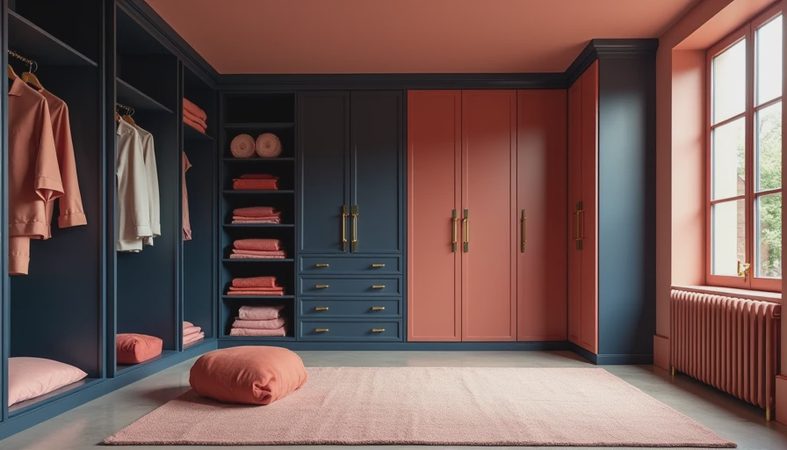
Before comparing closet shoe storage solutions, draw the room at scale. Mark the door swing, window trim, floor vents, outlets, and every obstruction. A standard shoe shelf is often 12 inches deep, but 13 to 14 inches gives larger sneakers and men’s footwear a safer landing area. Going deeper than 15 inches can create a dark shelf where shoes disappear behind one another.
A walk-in closet needs at least 36 inches of clear aisle space for comfortable movement. If two people will dress at the same time, 42 inches is a more workable target. Do not install a shoe tower where it reduces the passage below those dimensions. In one project, the homeowner wanted a full-height cabinet beside the door. Once the door opened, only 27 inches remained. We shortened the cabinet and recovered the walkway without losing meaningful capacity.
Check the wall construction before fastening anything. A heavy shoe cabinet loaded with boots can pull on weak drywall anchors, especially when drawers are opened repeatedly. Locate studs, use the manufacturer’s recommended hardware, and leave access to electrical outlets. If you are adding lighting, place the switch where your hand naturally reaches from the entry rather than behind hanging clothes.

Match Storage to the Shoe Types
Adjustable shelves are the most useful foundation for closet shoe storage solutions because footwear changes with the season. Flat sandals may need only 5 inches of vertical clearance, while running shoes usually need 7 inches. Ankle boots often require 9 to 11 inches, and tall boots need a compartment closer to 18 inches. Fixed shelves look tidy in a showroom but waste space when every opening is sized for the same pair.
For everyday shoes, an open shelf near the closet entrance is practical. It lets you grab sneakers without opening a door and gives damp footwear a chance to air out. Use a closed cabinet for formal shoes or pairs that collect dust. A ventilated door, slatted shelf, or simple gap at the back is preferable to sealing damp shoes in a solid box.
Boots deserve their own decision. Do not fold leather shafts over a narrow shelf edge; that creates permanent creases. A tall cubby, boot rack, or low shelf with boot shapers works better. If your winter boots are used only a few months each year, store them on the highest shelf during summer and reserve the easiest locations for shoes worn weekly.
Choose the Right System for Your Budget
A reach-in closet does not need a custom installation to function well. A basic wire shelf system can cost roughly $100 to $400 in materials, depending on width and accessories. It is inexpensive and adjustable, but small shoes can tip through the gaps. Add clear shelf liners or narrow trays where needed. Laminate modular systems generally fall in the $400 to $1,500 range for a modest closet and provide a more finished surface.
Custom built-ins can run from about $2,000 into five figures, depending on materials, drawers, lighting, and installation. Spend that money where the room has awkward angles, limited wall space, or a large collection that needs precise compartments. California Closets and The Container Store’s Elfa systems occupy different points in the market, so compare the actual shelf dimensions and installation details rather than judging from showroom photography.
Closet shoe storage solutions should also account for cleaning. Open wire shelves are easy to vacuum beneath, while enclosed cabinets hide dust but require regular emptying. White laminate makes dark shoes visible, but textured woodgrain can disguise scuffs. Neither finish fixes a bad layout.

Use Vertical Space Without Losing Access
Vertical storage is valuable, but the highest shelf should not hold shoes used every morning. Put dress shoes, seasonal boots, and special-occasion pairs above eye level. Keep daily sneakers between knee and waist height. A pull-down rack can help with high hanging clothing, but I rarely recommend complicated moving hardware for ordinary shoes; more mechanisms mean more things to adjust or repair.
A shallow shoe shelf beneath hanging clothes can work if the clothing rod is high enough. Standard double-hang sections often leave approximately 38 to 42 inches for shirts and 42 to 48 inches for pants, so confirm the remaining floor clearance before adding a shelf. Long dresses and coats need a separate section. Do not let their hems drag across shoes simply because the lower space looked available on paper.
For a narrow closet, use the back of the door only after checking clearance. Over-door organizers can hold lightweight flats and sandals, but loaded pockets may make the door difficult to close. They can also strike shelving inside the closet. A wall-mounted rail or slim cabinet may provide similar capacity without stressing the hinges.
Make the Layout Easy to Maintain
Good closet shoe storage solutions reduce decisions. Group shoes by use first, then by type. Everyday sneakers belong together; work shoes should be near the clothes worn to the office; formal pairs can occupy a higher or less convenient zone. Place a small washable mat near the entry so outdoor grit does not spread across the entire floor.
Leave a little expansion room. Filling every shelf on installation day guarantees overflow after one season of purchases. I usually design for roughly 10 to 15 percent open capacity, not because empty space looks impressive, but because it gives pairs room to slide out without knocking over their neighbors.
Avoid storing shoes in their original cardboard boxes unless they are rarely used or particularly delicate. Boxes consume extra width and hide the contents. Clear boxes are more useful, but only if every pair fits and the lids do not force you to perform a daily excavation. Photographing special-occasion shoes and labeling the box front can make high storage manageable.
A Practical Installation Checklist
Measure the longest shoe, tallest boot, and widest sneaker. Then measure the wall, baseboard height, door swing, and aisle. Confirm whether shelves will hit trim or cover an outlet. Mark stud locations before ordering a cabinet. Decide which pairs need open air, which need dust protection, and which can live in seasonal storage.
Install the main shelves first and test them with real footwear, not empty hands. Put a bulky running shoe, a boot, and a dress shoe on every proposed shelf type. Open the closet door fully. Walk through the aisle carrying a laundry basket. If your shoulder clips a cabinet or the door catches a rack, fix the problem before adding accessories.
The best closet shoe storage solutions are not necessarily the most expensive. They are sized for your shoes, anchored to the wall correctly, and positioned so the pairs you wear most are easy to reach. Plan the bones first, reserve vertical space intelligently, and your closet will work at 6:15 AM instead of demanding a daily rearrangement.


No comments yet — be the first to share a thought.