Shoe storage solutions for small spaces have to start with measurements, not matching baskets. In a compact closet, every inch has a job, and the wrong shoe rack can steal the aisle, interfere with the door, or leave your boots piled under dresses. I have seen all three problems in real installations. Before buying anything, measure the wall, check the door swing, and count the shoes you actually wear. A storage plan for 18 pairs is very different from one for 60.
Start with the closet bones
The first question is not whether you prefer shelves or cubbies. It is where the available wall space sits in relation to the door. A hinged closet door needs clearance to open fully, usually 30 to 36 inches of unobstructed floor area depending on the door width. A sliding or bypass door frees more floor space, but its track can limit how deep a shoe unit can be near the opening.
Use a tape measure to record three dimensions: clear wall width, usable height, and the distance from the wall to the opposite obstruction. A shoe shelf that is 12 inches deep can hold most adult footwear, but a 16-inch-deep cabinet is more practical for large sneakers or ankle boots. Do not assume deeper means better. In a narrow walk-in closet, those extra four inches can reduce a comfortable 36-inch aisle to an awkward passage.
Look for studs before mounting a tall rack. A loaded shoe cabinet is heavier than it appears, especially when made from particleboard. Secure wall-mounted systems to studs or use appropriate anchors rated for the assembled weight. If you are adding lighting, plan the electrical work before the shelves go in. One client had an outlet positioned exactly where her new shoe tower needed to sit; moving it afterward cost more than specifying the location during the layout stage.
Vertical shoe storage earns its footprint
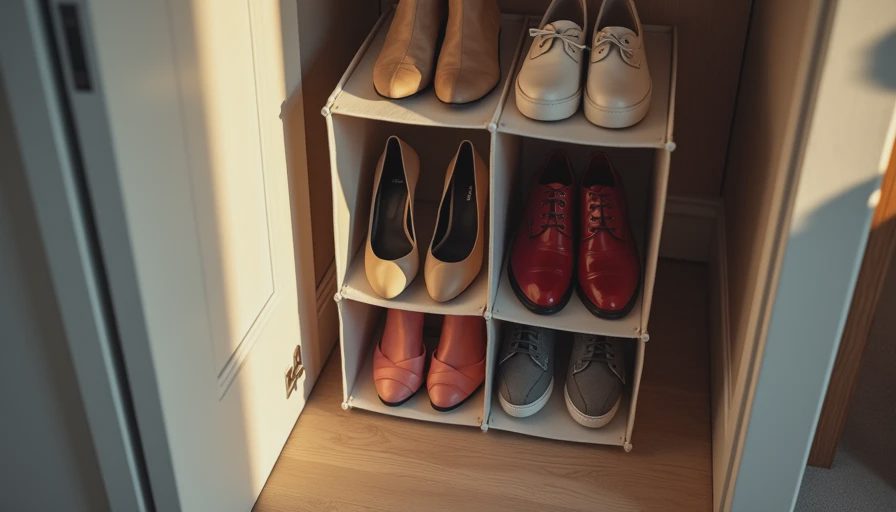
The most dependable shoe storage solutions for small spaces use height rather than floor area. A narrow tower 24 to 30 inches wide can hold several rows without consuming an entire wall. Adjustable shelves are important because ballet flats, low sneakers, and tall boots do not belong in identical compartments. Set everyday shelves around 7 inches high, then reserve taller openings for boots and high-top shoes.
A simple melamine tower can be more useful than an expensive rotating carousel. Melamine is easy to wipe clean, comes in predictable panel sizes, and works well with edge-banded shelves. IKEA BOAXEL and PAX components can be practical when their dimensions fit your room, but do not force a standard module into a corner where it blocks trim or the door casing. Custom plywood shelves cost more, often several hundred dollars for a small wall, but they let you use difficult inches beside a chimney breast or sloped ceiling.
For a reach-in closet, consider shoe shelves above the hanging rod only if you can reach them safely. A shelf at 84 inches is reasonable for seasonal footwear; anything higher needs a stable step stool and clear access. Store rarely worn formal shoes there, not the sneakers you reach for every morning.
Use the door, bench, and dead corners
The back of a closet door is useful, but only with a shallow organizer. Look for an over-the-door rack that projects no more than 5 to 7 inches, then verify that the door still opens past 90 degrees. Deep pockets can hit the opposite wall or make the door sag. A mounted rail system is more secure than a fabric organizer when holding heavier shoes, but it requires solid attachment points and careful measurement around hinges.
A narrow bench can solve two problems when the room allows it. Build or buy one about 18 inches high and 14 to 16 inches deep, then use the space below for low-profile shoes. Two rows of flats may fit under a 36-inch bench, while boots need a separate vertical compartment. Do not add a bench simply because a closet photograph shows one. If it reduces the aisle below 36 inches, it is furniture in the way, not useful storage.
Dead corners also deserve a test fit. A triangular corner shelf can work for shoes worn less often, while a slim rolling cart lets you pull footwear into the aisle and push it back afterward. The cart should not live permanently in the walking path. This is one of the shoe storage solutions for small spaces that succeeds only when the room has a clear parking location.

Match the storage to the shoe collection
Count by category before choosing a product. Low shoes need less vertical space but are easy to lose in deep cabinets. Athletic shoes benefit from open shelves because ventilation matters after use. Leather boots need enough width to avoid crushing the shaft, and tall boots should stand upright with boot forms or a simple rolled magazine only when the material allows it. Delicate suede should not be wedged against damp sneakers.
For an Oklahoma City closet, I would separate summer sandals from winter boots rather than mix everything on one shelf. Six months of hot weather can make a crowded shoe cabinet smell stale, while winter boots waste valuable daily-access space in July. Put off-season pairs in labeled boxes on the highest shelf or under the bed, and leave the easiest shelves for current rotation.
Clear boxes look orderly, but they are not automatically efficient. Each box adds height, cost, and one more lid to handle. They make sense for special-occasion shoes or dusty storage, not necessarily for ten pairs of everyday sneakers. Open shelves with a washable tray underneath are faster to use and easier to clean.
Budget options that do not look temporary
At the low end, a sturdy two- or three-tier metal rack can cost roughly $25 to $60 and work well inside a coat closet or mudroom. Choose one with a stable base rather than a lightweight wire frame that twists when loaded. A wall-mounted shelf system may run $100 to $300 for a small installation, depending on rails, brackets, and shelf material. A custom tower can move from several hundred dollars into four figures once doors, finish, installation, and trim are included.
Spend money where it fixes a real constraint. Adjustable shelves, secure mounting, and a washable surface are worth paying for. Decorative labels, matching bins, and a rotating shoe carousel are lower priorities. In one small dressing room, replacing a deep freestanding rack with two shallow wall shelves created enough floor space for the owner to open the door fully. The improvement came from depth control, not a luxury product.
When comparing shoe storage solutions for small spaces, calculate capacity by linear shelf inches. A 30-inch-wide tower with five 12-inch-deep shelves offers 150 linear inches of storage. That number is more useful than a product description claiming it holds “dozens” of pairs, because shoe sizes and shelf spacing vary.
A practical installation sequence
Start by removing every pair and measuring the tallest, widest shoes. Mark the proposed unit on the wall with painter’s tape. Open the door, walk through the aisle, and stand at the mirror or dresser if one is nearby. If the tape outline feels intrusive, the finished cabinet will feel worse.
Next, locate studs, baseboards, outlets, vents, and trim. Decide whether the unit sits on the floor or hangs above it. Floor units are simpler, but a recessed toe-kick can make cleaning easier and save a little visual bulk. Wall-mounted shelves keep the floor open but need reliable anchoring. Install the main frame first, level every shelf, then load the heaviest footwear near the bottom.
Finally, live with the arrangement for a week before adding boxes or labels. Notice which pairs remain on the floor. Those shoes need a more convenient shelf, not a lecture about tidiness. The best shoe storage solutions for small spaces make the correct action obvious at 6:15 in the morning.
A small closet does not need a complicated system. It needs a measured wall, a clear door swing, sensible shelf depth, and storage sized to the shoes you own. Start with the bones, protect the aisle, and spend your budget on capacity and access. That approach produces shoe storage solutions for small spaces that keep working after the installation photos are forgotten.




No comments yet — be the first to share a thought.