The closet shelving material you choose affects more than the finish. It determines whether folded sweaters sag the shelf, whether shoe boxes sit level, and whether the installation survives a decade of daily use. Before you compare colors or order matching hangers, look at the shelf span, wall structure, humidity, and weight your wardrobe actually creates. A pretty system that bows under winter coats is not a successful closet.
Start with the closet structure
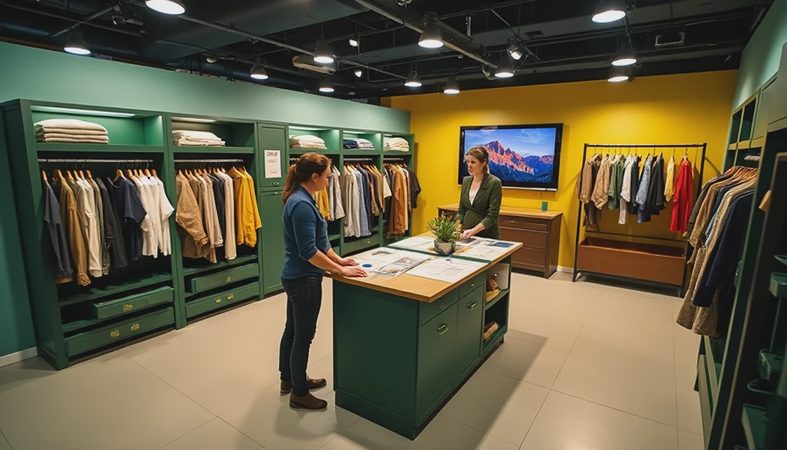
Measure the room before choosing a product. A typical shelf is 12 to 16 inches deep, while shoe shelving often needs 14 inches for larger boxes. Keep at least 36 inches of clear aisle space between opposing storage runs. If you plan an island, measure the remaining walkway with drawers open, not closed. I have seen homeowners lose 10 inches of circulation because an island was drawn from wall dimensions instead of usable dimensions.
Find the studs before you specify brackets. A loaded shelf can put substantial leverage on a cleat, especially when it holds denim, boots, handbags, or folded blankets. Mark stud locations, door swing, baseboard height, and electrical outlets. If the closet is being framed or drywalled, add blocking wherever a long shelf or tower will be anchored. Drywall anchors are useful for light accessories, but they are not a substitute for structural support.
The closet shelving material should also work with the room's conditions. A well-ventilated bedroom closet is forgiving. A basement closet, bathroom-adjacent dressing room, or Oklahoma City home with strong seasonal humidity needs edges and fasteners that resist moisture.

Compare the main shelving materials
The most common choices are melamine, plywood, solid wood, wire, and laminate-faced board. Each can work, but they solve different problems. Price, appearance, span strength, and repairability matter more than the sample color in a showroom.
Melamine is usually the budget leader for built-in towers and straight shelves. It consists of a particleboard core with a factory-applied resin surface. The finish wipes clean and comes in white, gray, wood-look, and several neutral colors. Its weakness is the exposed edge and long unsupported span. A 36-inch shelf carrying folded clothes needs proper support; a 60-inch shelf with one bracket in the middle is asking for a permanent bow. Melamine is a practical closet shelving material when spans stay reasonable and edges are sealed.
Plywood costs more, but it gives you a stronger core and better screw-holding power. A 3/4-inch cabinet-grade sheet with a durable veneer can support long shelves when brackets or vertical dividers are correctly placed. Plywood edges can be banded, painted, or left visible for a workshop-style look. I prefer it for heavy shoe storage, deep upper shelves, and installations where the client wants to change hardware later without stripping the board.
Solid wood looks substantial, but it is not automatically the strongest choice. Wide boards can move with changes in humidity, and a long plank may cup unless it is properly supported. Oak, maple, and poplar are workable options, but the cost rises quickly once you add sanding and finishing. Use solid wood where the edge is visible or where furniture-like detailing matters, not simply because it sounds premium.
Where wire shelving earns its place
Wire is inexpensive, lightweight, and useful in reach-in closets, laundry rooms, and rental homes. It allows air movement, handles a little moisture well, and can be installed quickly with standards and brackets. The open grid is also convenient for baskets and shoes. However, small items can tip between the wires, and fabric may develop pressure marks when stacked directly on the surface.
A wire closet shelving material system needs more frequent cleaning than many homeowners expect. Dust collects around the wall clips and bracket ends. Coated wire can last for years, but cut ends should be capped, and heavily loaded shelves need supports at the spacing recommended by the manufacturer. Wire is not a failure; it is simply a different visual and structural language than cabinet-style storage.

Match the material to the load
Think in categories rather than vague estimates. Blouses and lightweight knits create a modest load. Jeans, folded towels, handbags, and boots are much heavier. A shoe shelf filled with leather footwear can weigh far more than an apparently full shelf of T-shirts. Place vertical dividers every 24 to 30 inches on long runs, and reduce that span when storing dense items.
For most homeowners, plywood or well-supported melamine is the sensible middle ground. Use melamine for standard towers, adjustable shelves, and a clean, economical finish. Upgrade to plywood for long spans, drawer boxes, heavy shoe storage, or areas where screws will be removed and replaced. Choose wire when airflow, low cost, and speed matter more than a furniture-grade appearance. The best closet shelving material is the one matched to the load, not the one with the highest retail price.
Details that prevent expensive rework
Edge treatment deserves attention. Melamine edges need iron-on or machine-applied banding, while plywood edges need sanding and a finish that seals the veneer. Unsealed edges absorb spills and can swell. Keep shelves at least slightly off a damp floor, and do not let a closet tower bridge over carpet without accounting for the carpet's compression.
Hardware matters just as much. Use screws long enough to engage framing without punching through wiring or plumbing. Install a continuous cleat for long shelves when possible, then add vertical supports beneath the load. Adjustable standards are convenient, but their tracks still need solid attachment. If you are adding drawers, confirm that the shelf or tower is square before installing slides; a small error becomes a drawer that rubs every morning.
Plan lighting before the shelving covers the walls. An outlet behind a shoe tower is difficult to use later, and a ceiling fixture can be blocked by a high upper shelf. Leave access for switches, low-voltage lighting, and any future charging station. Storage cannot be corrected easily after drywall and paint are complete.
Budget without buying twice
A basic wire system can keep material costs relatively low, while melamine systems often occupy the middle range. Plywood, finished edges, drawers, and custom paint push the project higher. Installation labor can equal a significant portion of the materials, particularly when walls are uneven or blocking is missing. Get a complete quote that includes cleats, edge finishing, hardware, removal of old shelving, and touch-up work.
Spend money where the structure carries weight: drawer boxes, long shelves, wall anchoring, and smooth hardware. Save on decorative end panels or premium accessories if the budget is tight. A plain, properly supported shelf will serve you better than an expensive finish attached to weak framing.
When I specify closet shelving material, I start with the wall, the span, and the wardrobe—not the catalog cover. Measure the aisle, locate the studs, sort your storage by weight, and then choose the finish. That sequence prevents bowed shelves, blocked outlets, and the expensive realization that the closet looks finished but cannot hold the clothes it was built for.




No comments yet — be the first to share a thought.