If you are asking how much do custom closets cost, you probably already know the answer is not one tidy number. A small reach-in with two hanging levels is a different project from a 12-by-14 walk-in with drawers, an island, lighting, and new flooring. In Oklahoma City, where I have designed and managed more than 200 storage installations, I have seen workable closets from roughly $1,500 and overbuilt projects pass $30,000. The layout, materials, installation work, and condition of the room drive the bill.
The realistic price ranges
For a basic reach-in closet, plan on approximately $1,500 to $4,000 installed. That usually covers melamine shelving, a few hanging rods, fixed shelves, and a straightforward installation into an existing room. A narrow 5-by-7 closet does not need an island or a tower of drawers. It needs usable depth, strong attachment to the wall, and a door that does not collide with the clothes.
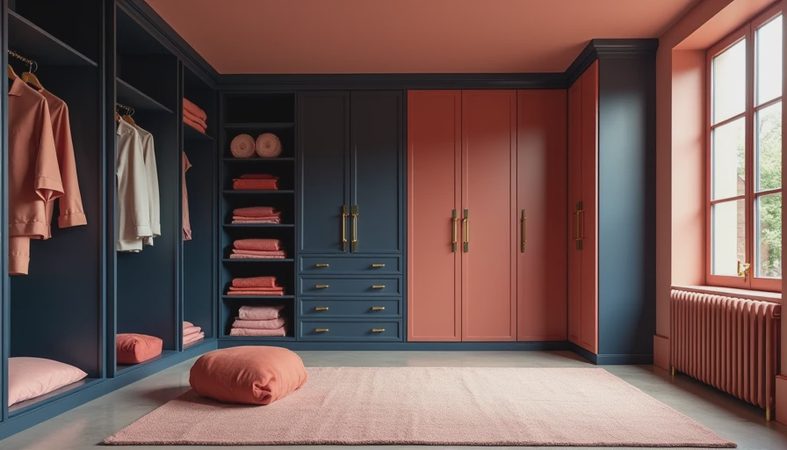
A medium walk-in commonly falls between $4,000 and $10,000. This range might include two hanging walls, adjustable shelves, several drawers, a hamper pullout, and better trim. Larger walk-ins with a center island, glass-front doors, extensive drawers, shoe storage, and upgraded finishes often run from $10,000 to $25,000 or more. If the project includes electrical changes, drywall repairs, flooring, painting, and custom millwork, the closet becomes a small remodeling job rather than a simple storage installation.
That is the useful answer to how much do custom closets cost: expect a functional system to cost thousands, but do not assume every expensive feature improves the room. A $2,500 layout that lets you see every shirt can outperform a $15,000 design with drawers you cannot open without blocking the aisle.
What changes the price most
The first cost driver is the amount of storage. A single tower of drawers costs less than drawers along three walls. Drawer boxes require more material, hardware, labor, and precise installation than open shelves. Soft-close hardware and full-extension slides are worth considering for daily use, but they raise the price.
Material also matters. White melamine is usually the practical baseline because it is durable, easy to clean, and widely available. Textured melamine, wood veneer, painted MDF, and solid wood trim move the estimate upward. Veneer can add warmth without the price of a fully solid-wood build, while painted components require careful finishing to avoid chipped edges and visible seams.
Hardware creates another gap. Standard round rods are inexpensive. Brushed brass oval rods, leather drawer pulls, integrated lighting, and motorized valet rods cost more. None of those should be selected before the basic geometry works. Hanging sections generally need about 24 inches of clear depth, and the aisle should be at least 36 inches wide. If you add an island, measure the open space with doors and drawers fully extended, not just closed.

The room's bones come before the cabinetry
Before comparing California Closets, The Container Store's Elfa, IKEA PAX, or a local cabinet shop, inspect the room. Find the studs. Confirm whether the walls are plumb. Check the door swing, baseboard height, ceiling vents, attic access, and the location of every outlet and switch. A design that covers an outlet behind a shoe tower is not finished design; it is an expensive future annoyance.
Lighting deserves its own line in the budget. A single ceiling fixture often leaves the front of your clothes in shadow. A recessed light, surface-mounted fixture, or low-profile LED system can make the room easier to use, but new wiring may require an electrician and drywall repair. Budget roughly $300 to $1,500 for common lighting changes, depending on access and the number of fixtures. Painting may add $300 to $900, while flooring can add several hundred to several thousand dollars.
If walls are being moved, a window is changing, or the ceiling needs repair, get those decisions priced separately. Otherwise, cabinetry quotes can appear affordable while the actual project quietly doubles.
Where a custom closet budget pays off
Spend first on the layout. Separate long hanging garments from double-hang sections, and measure your actual wardrobe rather than copying a showroom. A person with many coats needs more long-hang height than someone with mostly folded clothing. A homeowner with many shoes may need adjustable shelves, but a rotating shoe carousel can consume valuable space and add substantial cost.
Spend next on drawer placement and hardware. Three useful drawers near the dressing area are often better than eight low drawers hidden behind an island. Put frequently used items between waist and shoulder height. Reserve high shelves for luggage, seasonal bedding, and the winter coats you will not touch during an Oklahoma summer.
Fixed shelves are less expensive, but adjustable shelves make future changes possible. I especially like adjustable shelving above hanging rods because wardrobes change. A shelf set at 12 inches for folded sweaters may need to become 10 inches for handbags next year.
The answer to how much do custom closets cost becomes easier when you separate structural value from decoration. Strong wall attachment, clean door clearance, sensible dimensions, and reliable drawer slides earn their money. Decorative end panels and specialty inserts are optional.

Custom, modular, or do-it-yourself?
A local custom installer offers the most control over odd corners, sloped ceilings, trim, and built-in details. This is the right route when the room has difficult dimensions or you want cabinetry that looks integrated with the house. The tradeoff is a higher labor bill and fewer opportunities to change the layout later.
Modular systems can reduce the cost substantially. IKEA PAX and Elfa-style components are useful when the room is reasonably square and you can handle some measuring and assembly. A well-planned modular system may land around $1,000 to $5,000 for materials, depending on drawers, doors, and accessories. It still needs careful anchoring, and filler panels may be necessary to make a wall look intentional.
A do-it-yourself melamine project can cost less than $2,000 for a modest reach-in, but the savings come from your labor. Measure three times, locate studs, protect finished flooring, and account for baseboards before cutting panels. The most common mistake is designing every inch as storage and leaving no room to install the parts.
How to control the final estimate
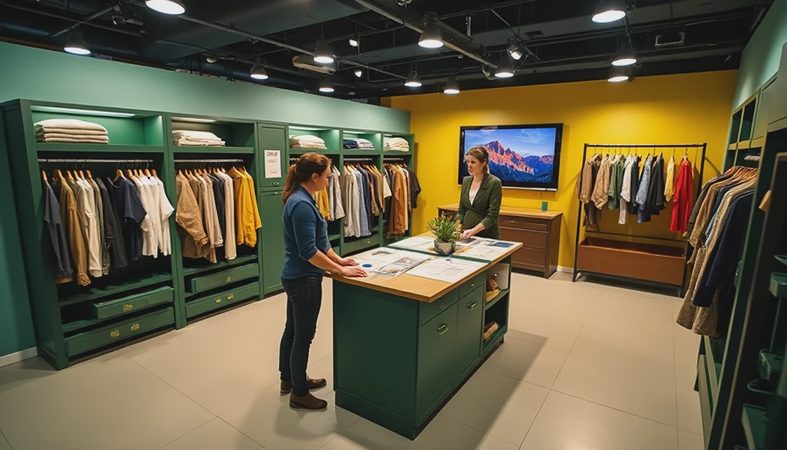
Ask each installer for a drawing with dimensions, a material description, hardware specifications, installation labor, delivery, removal of old shelving, and wall repair shown separately. Then compare matching scopes. A quote with eight drawers is not comparable to one with three, even if both are labeled “custom closet.”
Before approving anything, mark the proposed layout on the floor with painter's tape. Test the door swing. Place a cardboard box where the island will go. Open imaginary drawers and walk past them. This simple exercise catches the $3,000 island that blocks the only practical route through the room.
Also ask what happens if a wall is out of square or a hidden pipe appears. Clarify the change-order process before demolition. A reasonable contingency is often 10% to 15% for an older home, especially when drywall, electrical work, or flooring is included.
A practical spending plan
For a $5,000 budget, I would put approximately $3,500 into the storage system and installation, $500 into lighting or electrical improvements, and keep $1,000 for paint, trim, or surprises. For a $12,000 budget, the room can support better drawers, a more tailored layout, upgraded lighting, and selective decorative details without wasting money on every available accessory.
The best way to decide how much do custom closets cost for your house is to list the problems first: not enough hanging height, folded clothes collapsing, poor visibility, wasted corners, or a door that blocks access. Price solutions to those problems in that order. A closet works when you can reach the clothes, move through the aisle, and maintain the system on an ordinary rushed morning. Everything else is secondary.


No comments yet — be the first to share a thought.