If you are asking how much does a custom closet cost, start with the room itself, not the finish samples. A closet price depends on wall length, ceiling height, material, drawers, lighting, demolition, and whether the installer is working around old plaster or clean new construction. In Oklahoma City, I have seen modest reach-ins land near $1,500 and carefully built dressing rooms pass $20,000. Both prices can be reasonable when the scope matches the space.
The useful question is not whether a closet system is expensive. It is which parts solve a daily problem and which parts simply make the estimate look impressive. Before choosing walnut veneer or a motorized shoe carousel, measure the walls, locate the studs, and decide how the door and lighting will work.
Typical custom closet cost ranges
For a small reach-in closet, plan on roughly $1,000 to $3,500 for a professionally installed system. That usually includes a hanging section, adjustable shelves, a few fixed divisions, and basic laminate components. A 5-by-7-foot reach-in with one long wall might need only 8 to 12 linear feet of storage, which keeps the material and installation bill manageable.
A larger reach-in or compact walk-in commonly falls between $3,500 and $8,000. This range can include double-hang sections, deeper shelving, hamper pullouts, corner returns, and several drawers. Once the layout uses both sides of a walk-in, the aisle becomes important. I specify at least 36 inches of clear walking space, and 42 inches is more comfortable when two people will dress in the room.
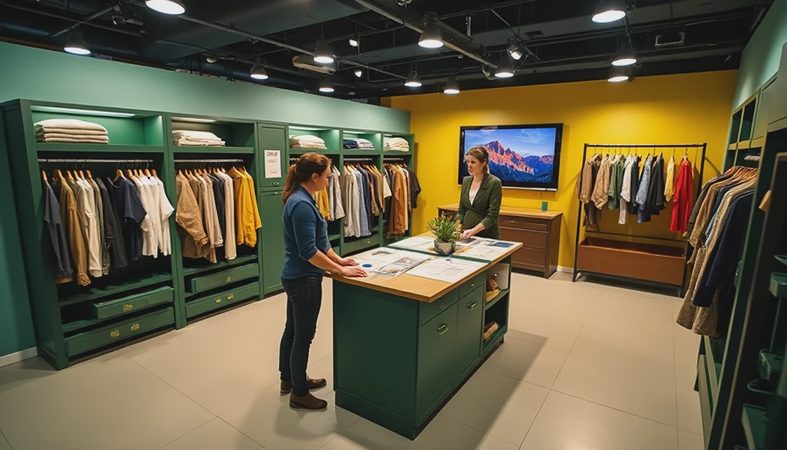
A full walk-in or dressing room often costs $8,000 to $20,000 or more. That may include an island, tall shoe storage, built-in hampers, lighting changes, electrical work, drywall repair, and upgraded doors or trim. The structure of the room accounts for a surprising share of the bill. A system installed into finished walls is a different project from a new closet framed, wired, painted, and trimmed from the studs.
What drives the estimate
The biggest cost driver is the amount of storage you are filling. More linear feet means more panels, edge banding, hardware, labor, and wall attachment points. Drawers cost more than open shelves because every drawer needs a box, slides, fronts, alignment, and adjustment. A bank of six drawers can add $1,200 to $3,000 depending on construction and finish, while a shelf tower may cost several hundred dollars.
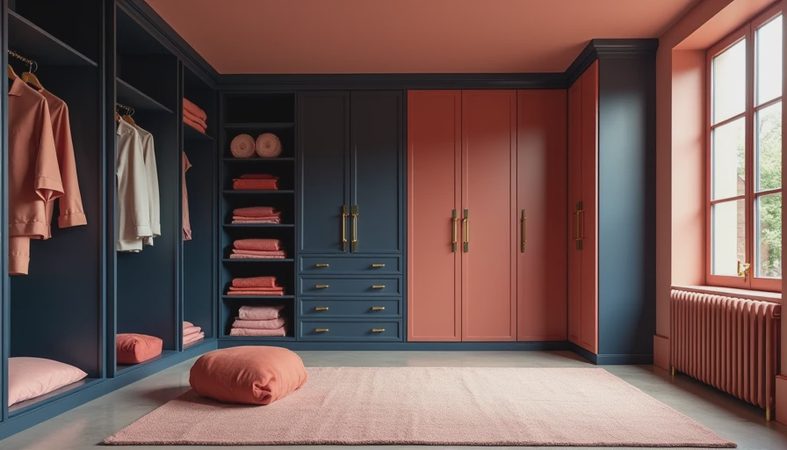
Material matters, but not always in the way homeowners expect. Melamine is a practical choice for most closets and commonly keeps the system in the midrange. Thermally fused laminate offers durable surfaces and many colors. Painted MDF costs more when the job includes custom doors, sanding, priming, and sprayed finishes. Wood veneer or hardwood edging can move the price upward quickly without improving the basic function of a hanging section.
Hardware also adds up. Soft-close undermount drawer slides, pull-down rods, belt racks, tilt-out hampers, and full-extension shoe trays are useful when they fit your wardrobe. They are wasteful when added because a showroom designer pointed at them. A client once specified three pull-down rods for a closet with mostly folded clothing. We removed two, gained shelf space, and cut several hundred dollars without losing useful capacity.
Construction costs people forget
When people search how much does a custom closet cost, they often count only the cabinetry. That misses the work behind the walls. If a new island needs an outlet, an electrician may have to run a circuit before the flooring and cabinetry go in. LED strips may require a transformer, a switch, and access for future service. Put an outlet behind a fixed shoe tower and you have created a maintenance problem rather than a convenience.
Door swings deserve attention too. A hinged door can steal more than 20 square feet of usable movement depending on its size and position. A pocket door saves that floor area but requires a suitable wall cavity and careful framing. Bifold doors can work in a narrow room, but their hardware needs clearance. If the closet is being carved from a bedroom, demolition, framing, drywall, paint, baseboards, and flooring can add $2,000 to $7,000 before storage materials arrive.
Lighting is another line item worth specifying early. A single ceiling fixture leaves your body between the light and the clothing. Recessed fixtures, a centered ceiling box, or vertical lights at the mirror create better visibility. In a recent older-home project, the ceiling wiring was off-center because it had been installed for the original bedroom layout. Correcting it before installation was inexpensive; correcting it after the shelves were mounted would have required removing finished components.
Where to spend and where to cut
Spend first on layout, drawer slides, wall attachment, and lighting. A perfect color cannot rescue a hanging rod placed too low for your dresses, and a beautiful island is a bad purchase if it leaves a 28-inch aisle. Spend next on the components you touch every day: drawers, shelf edges, and properly supported rods. These are more valuable than decorative crown molding in a room with poor capacity.
Cut back on features that do not match your clothes. If you wear sneakers and boots, use adjustable shelves rather than a costly rotating shoe carousel. If most garments are folded, put money into wide drawers and fewer double-hang sections. For seasonal wardrobes in Oklahoma, I prefer adjustable shelves and a tall section for coats over permanent cubbies sized for one exact collection of handbags.
A budget system from IKEA PAX, The Container Store, or a local closet company can be sensible for a straight wall with accessible studs. It usually costs less than fully custom cabinetry, especially when you handle painting and simple trim. The tradeoff is more filler, standard widths, visible adjustment holes, and less flexibility around sloped ceilings or awkward corners. Custom work earns its price when the room has constraints, not merely because the word custom appears on the proposal.

How to compare quotes accurately
Ask each contractor to show the same information: total linear feet, cabinet and panel material, edge finish, drawer count, hardware brand or grade, installation labor, delivery, wall repair, paint, electrical work, tax, and warranty. One company may quote $6,500 for storage only while another quotes $8,200 including demolition and lighting. The second estimate is not automatically more expensive; it may simply include the work the first left out.
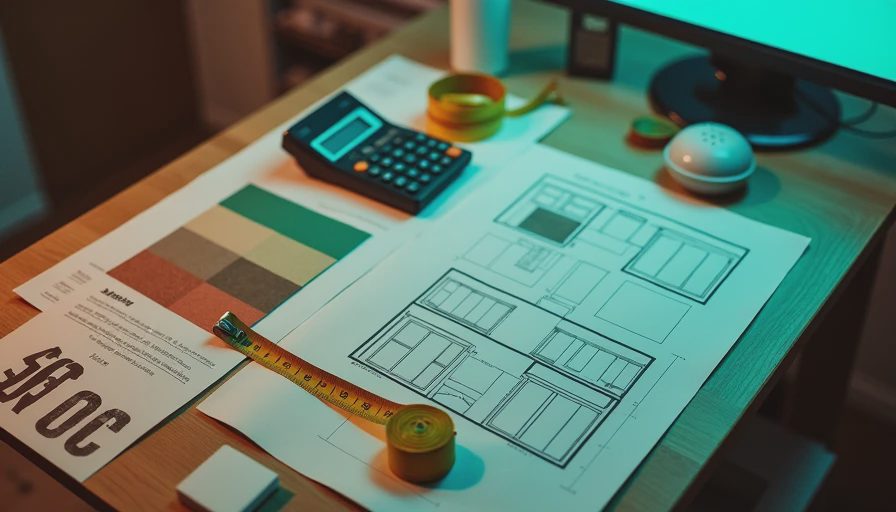
Request a scaled plan, not just a color rendering. The plan should show door swing, aisle width, rod heights, shelf depths, corners, outlets, switches, and clearances around an island. Standard folded-clothing shelves are often 12 to 16 inches deep. Hanging sections generally need about 24 inches of finished depth, including the door or face frame. Anything deeper can hide clothing; anything shallower can leave hangers projecting into the aisle.
Also ask what happens if the installer finds an uneven wall or missing stud. Change orders for blocking, patching, or electrical corrections can add hundreds of dollars. A written scope protects both sides and makes competing proposals easier to compare.
A practical way to set your budget
To decide how much does a custom closet cost for your house, list the room work separately from the storage work. Set one allowance for demolition, framing, drywall, paint, flooring, trim, and electrical. Set another for cabinetry and accessories. Then reserve 10 to 15 percent for surprises, especially in homes built before modern electrical and framing practices.
For a $5,000 total budget, I would rather install a well-planned laminate system with strong drawers and good lighting than spend $1,500 on an island that consumes the aisle. For $10,000 to $15,000, a homeowner can usually consider a more complete walk-in with mixed hanging heights, drawers, shoe storage, and upgraded finishes, provided the room does not require major reconstruction. Above that range, the question becomes less about capacity and more about furniture-grade details, specialty hardware, and architectural changes.
The final answer to how much does a custom closet cost is tied to your walls and your wardrobe. Measure before shopping, reserve space for movement, specify electrical work early, and compare complete scopes. A closet that works at 6:15 AM is worth more than a dramatic rendering that forces you to move sideways past the island.


No comments yet — be the first to share a thought.