If you searched for big closet topshelf expecting storage advice, stop before you start measuring: this term generally refers to BigCloset TopShelf, an online community for fiction involving gender themes, not a closet shelving product. Readers come for stories about gender identity, transformation, and related experiences. The practical way in is to find the community’s official site, browse its story categories, and read the descriptions and content notes before choosing a title.
What you’ll find on the site
Big Closet TopShelf is associated with community-published fiction rather than a single book or a conventional retail catalog. The appeal is variety: a reader might be looking for a thoughtful character story, a fantasy premise, or a longer serialized work. Those are different experiences, even when they share a broad gender-related theme.
Treat each story’s description as your first screening tool. A title alone rarely tells you whether a piece is gentle, dramatic, comic, or intended for adults. Look for the author’s summary, any available tags or warnings, and an indication of whether the story is complete. If a description is sparse, the opening section can help you decide whether the tone suits you.
Not every story about gender explores identity in the same way. Some use fantastical transformations as a plot device; others focus on everyday relationships or self-understanding. A premise that works for one reader may not work for another, so it pays to browse by the kind of story you want rather than assuming the whole collection has one voice.
How to find something worth reading
Start with a specific combination of interests. Searching for a short, complete story with a contemporary setting is more useful than searching only for “transformation.” If you prefer fantasy, romance, or a particular narrative style, add that term to your search and compare the results with the descriptions on the site itself.

For big closet topshelf searches, try the site name alongside a genre or a phrase from a story you remember. If you are trying to relocate a title, an author name or an unusual character name can narrow the results. Search engines do not necessarily index every page, though, and a missing result does not prove a story has been removed.
Once you find a promising author, look for other work under the same name. That is often a better route to a satisfying second read than choosing another story solely because it has a similar premise. An author’s pacing and treatment of characters can matter more than the broad category.
For a longer work, check the installment order and any completion status before settling in. A serial can be enjoyable even if it is unfinished, but it is worth knowing that before you commit to several chapters. Dates and update information, when shown, can offer context; they cannot promise that a story will be continued.
Content notes, accounts, and privacy
Fiction communities can contain adult material or subjects that some readers find upsetting. Read the available warnings and follow the site’s age rules. If a story does not provide enough information for you to judge the content, you can stop reading; there is no obligation to push through a premise that feels wrong for you.
Before creating an account on big closet topshelf, check what registration is needed for and what information the site asks you to provide. You may not need an account for every activity. If you do register, use a unique password and a username you are comfortable having associated with your public activity.
Look at the site’s privacy policy and account settings before posting a comment or submitting a story. In particular, check whether your profile, reading activity, or contributions are visible to other users or search engines. Don’t assume a screen name makes a post private, and avoid sharing identifying details you would not want copied elsewhere.
If you use a shared device, remember that browser history, saved passwords, and open tabs can reveal what you have been reading. Signing out and managing the browser’s saved data can help, although private browsing is not a guarantee of anonymity from a network, website, or device administrator.
Reading and participating respectfully
On big closet topshelf, as in any community built around personal and imaginative writing, a little care in the comments goes a long way. If comments are available, say what worked for you: a character’s choice, the pacing of a scene, or a detail that made the setting convincing. That gives an author something more useful than a demand for the next chapter.
If you want to offer criticism, check the community’s rules and the author’s stated preferences first. A public comment is not always the right place for a detailed edit. Avoid treating a fictional premise as proof of an author’s identity or personal history; stories are not reliable biographies.
Writers considering a submission should read the current posting rules, including any requirements for content labels, attribution, and permitted material. Keep a separate copy of your work. Before posting it elsewhere, check the terms of each site and make sure you have the rights to any text or images you include.
If you meant a closet’s top shelf
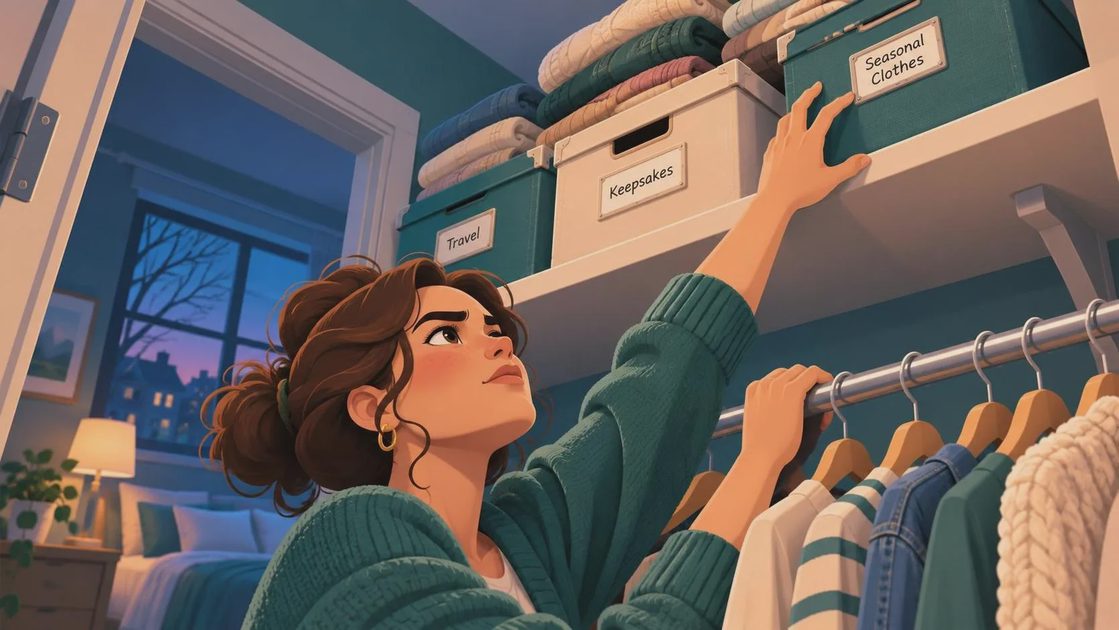
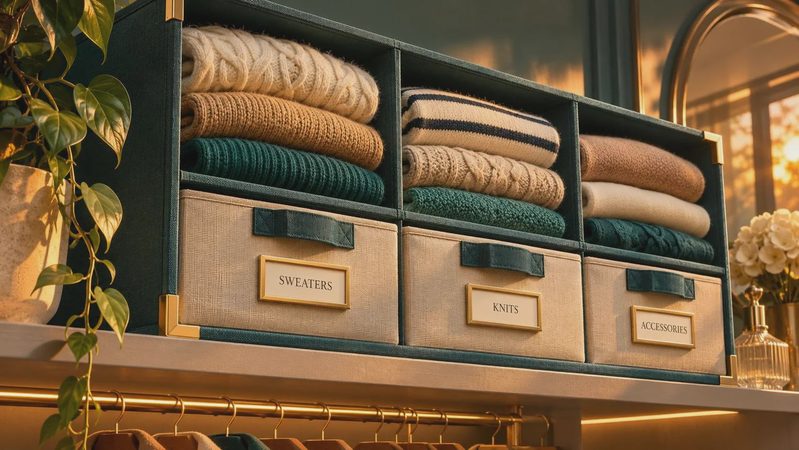
The wording can also describe an actual high storage shelf. In that case, start with the items you need to store and the wall structure, not the empty-looking space above the rod. Luggage and seasonal bedding belong within safe reach of a stable step stool; heavy boxes are better kept lower.
Measure the shelf’s usable depth and the clearance to the ceiling, then locate studs and choose supports rated for the shelf and its intended load. A long shelf may need intermediate support to prevent sagging. Keep it clear of lights and follow the fixture’s required clearances. That is a different project from browsing fiction, but both searches start with the same sensible move: make sure you have the right destination before you begin.




No comments yet — be the first to share a thought.