
A dresser in closet can solve a daily problem, but only if it fits the room instead of stealing the walkway. I have seen homeowners order a beautiful six-drawer chest, carry it upstairs, and discover that the drawers cannot open without hitting the opposite shelves. Measure first. Shop second.
The right choice depends on the closet's width, door swing, ceiling height, and the clothing you actually own. A shallow reach-in needs a different answer than a 10-by-12 walk-in. Before you think about drawer dividers or matching hangers, establish the clearances that make the room usable at 6:15 AM.
Start With the Closet's Fixed Dimensions
For a dresser in closet, depth is the first measurement to control. Most freestanding dressers are 18 to 22 inches deep, while some wide bedroom models reach 24 inches. That depth is manageable only when the remaining aisle is at least 36 inches. If drawers will open toward a bank of hanging clothes, 42 inches is more comfortable because you need space to stand and move around the open drawer.
Mark the proposed footprint on the floor with painter's tape. Include the full width, not just the cabinet box; knobs and drawer fronts need room too. Open every drawer line on the tape and walk past it. This simple test catches the layout mistake that a floor plan often hides.
Check the door swing before committing. A dresser behind an inward-swinging door can make the first drawer inaccessible and create a collision at the entrance. In a small closet, a pocket door or outswinging door can recover several usable square feet, but changing the door is a framing project, not a weekend organizing task.
Also locate studs, vents, outlets, and light switches. A dresser that covers an outlet may be acceptable, but an outlet behind a permanently anchored built-in is not useful. Leave access where you might eventually plug in a steamer, charging station, or small lamp.
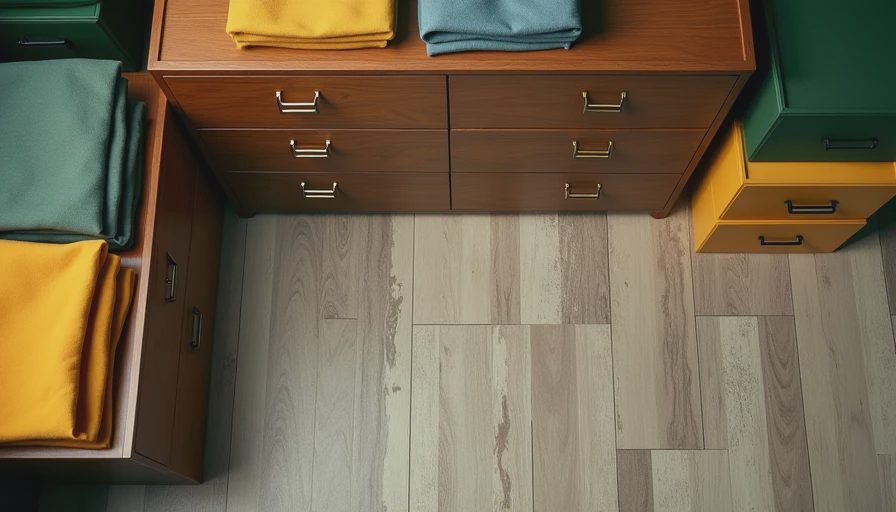
Choose Freestanding or Built-In Storage
A freestanding dresser in closet gives you flexibility. You can move it when your wardrobe changes, take it with you, or replace it without dismantling an entire wall. This is the sensible option for renters, older homes with uneven floors, and homeowners still testing the layout. IKEA, Target, and vintage furniture stores can provide workable pieces, but inspect drawer movement and back-panel construction before buying.
A built-in dresser uses wall space more efficiently and can reach a consistent height with adjacent shelves. It is especially useful in a long walk-in where a 30- to 36-inch-wide drawer unit fills a dead section between hanging zones. Plan for a finished counter or top surface at about 36 inches high if you want a practical folding area. For someone who prefers a seated dressing surface, a lower section around 30 inches can work, but it sacrifices drawer capacity.
Do not assume custom means automatically better. A cabinet that is 24 inches deep may look substantial in a drawing while making a narrow aisle unusable. In many closets, 18 to 20 inches of drawer depth holds folded shirts, workout clothing, and undergarments without pushing the cabinet too far into the room.
Material matters as well. Melamine is easy to clean and commonly keeps system costs under control. Painted MDF can provide a furniture-like finish, but exposed edges need careful sealing. Solid wood is durable, though it adds weight and cost. The drawer boxes and hardware deserve more attention than a decorative end panel; full-extension slides are worth specifying because they let you see the back of the drawer.
Match Drawer Size to Your Wardrobe
The best dresser in closet is not necessarily the widest one. A 60-inch chest with six broad drawers can become a dumping ground, while two 30-inch units create more useful categories. Broad drawers are convenient for sweaters, but smaller drawers prevent socks, belts, and exercise clothing from becoming one tangled layer.
For folded clothing, drawers 6 to 8 inches high are usually practical. Deeper 10- to 12-inch drawers can hold bulky sweaters or handbags, but they encourage stacking that hides what is underneath. If you own heavy denim, measure a real folded pair before ordering. A drawer that looks generous on a showroom display may be too short front-to-back for your jeans.
Use the top surface deliberately. It can hold a valet tray, jewelry organizer, or a shallow basket for items waiting for laundry. It should not become a permanent pile of dry cleaning. If the dresser sits beneath hanging clothes, leave enough vertical clearance that dress hems and coats do not drag across the surface.
One Oklahoma City client wanted a central island because every inspiration photo showed one. Her room had only 38 inches between opposing walls. We used a 20-inch-deep drawer unit on one side instead, leaving a clear 40-inch passage. She gained storage without having to turn sideways to reach the back of the closet.

Plan Lighting and Electrical Access
A dresser in closet needs useful light, not just a decorative fixture. Ceiling lighting should illuminate the drawer fronts and the floor in front of them. A single central fixture often leaves one wall in shadow, especially when tall cabinets surround it. Recessed lights, a flush mount, or a properly placed track fixture can work; avoid placing a light directly behind a tall cabinet where it contributes little.
If you are renovating, put the lighting switch near the entrance and consider a second control near the dressing area. LED strip lighting under shelves can help, but install it where the light reaches the drawer face rather than shining into your eyes. Choose a color temperature around 3000K to 3500K for a comfortable room that still shows clothing colors reasonably well.
Plan outlets before cabinetry arrives. One outlet at counter height can serve a steamer or hair tool, while another low outlet can support a rechargeable vacuum. Do not bury the only outlet behind drawers. I have watched an installation crew remove a finished shoe cabinet because an electrical box had been forgotten; that small planning error became a costly repair.
Make the Layout Work for Real Mornings
A dresser in closet should support a sequence: enter, see hanging clothes, open a drawer, get dressed, and leave. Put daily-use drawers between waist and shoulder height when possible. Reserve the lowest drawers for seasonal items, spare linens, or shoes you rarely wear. Keep frequently used laundry near the hamper rather than across the room.
In a shared closet, divide storage by person or by clothing type, then label the plan before installation. Mixing two wardrobes in one wide drawer unit makes the room feel disorganized quickly. Leave a dedicated section for winter coats, especially in Oklahoma where seasonal temperature swings can change what you need within a week.
Maintain at least 36 inches of clear walking space, and use 42 inches when drawers face each other. If the room cannot provide that clearance, reduce cabinet depth before reducing the aisle. Storage that forces you to close one drawer before opening another is not efficient storage; it is furniture blocking a passage.
A Practical Buying and Installation Checklist
Before ordering a dresser in closet, measure the wall width, ceiling height, door swing, and the narrowest point of the entry. Record baseboard height and mark outlets, switches, vents, and studs. Measure the stairway or hallway too; a cabinet that fits the closet may not fit around the landing.
Next, tape the footprint on the floor for at least a day. Open imaginary drawers, carry a laundry basket through the aisle, and stand where you normally choose an outfit. List the clothing categories that need drawers, then estimate space from actual folded stacks rather than online photographs.
When comparing products, ask for the cabinet depth, drawer interior dimensions, slide type, finished back, and installation requirements. A dresser in closet priced at $300 may be adequate for a trial layout, while a built-in run can cost several thousand dollars once panels, trim, delivery, and labor are included. Spend first on clearance, lighting, and dependable hardware. Decorative pulls can wait.
A successful closet is not the one with the most cabinets. It is the one where every drawer opens fully, every aisle stays clear, and the clothes you wear most often are within easy reach. Measure the room, test the footprint, and choose the dresser that makes the morning route shorter rather than more complicated.


No comments yet — be the first to share a thought.